

Photorealistic 3D Exterior Rendering Services
Architectural | Residential | Commercial | Hospitality | Real Estate | USA & UK
- Photorealistic 4K Exterior Renders
- Multiple Views & Lighting Options
- Revit & 3D Model Based Workflow
- USA & UK Project Support
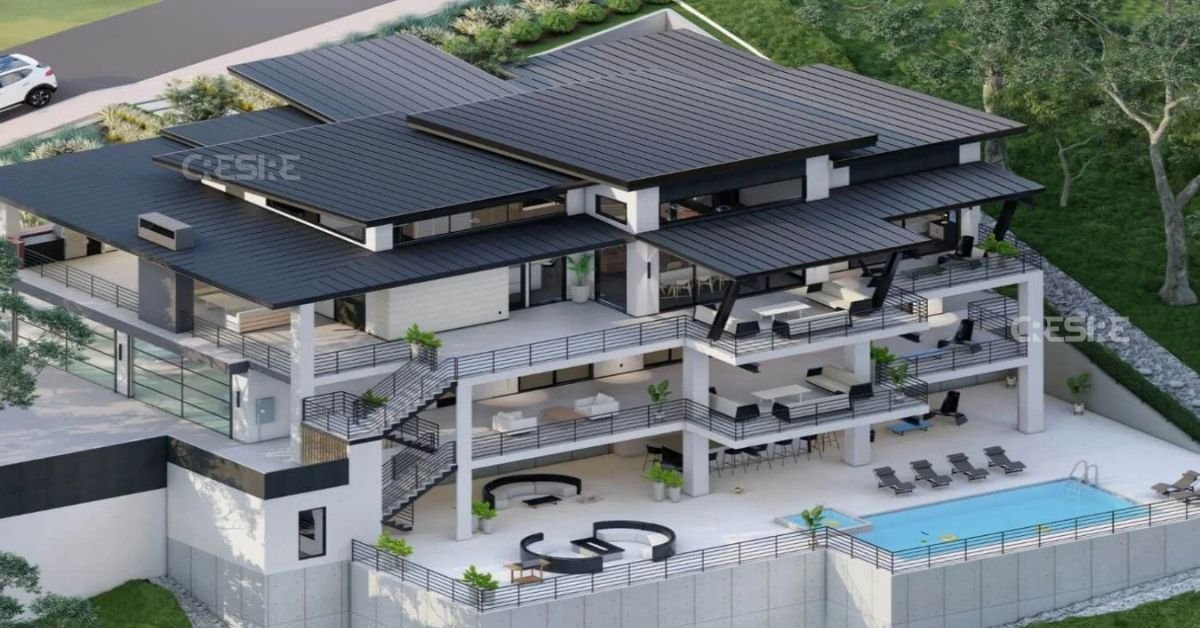
100+
BIM
Projects
8+
Countries
Delivered
150,000+
Sqft
Modeled
Project Regions
- 🇺🇸 USA
- 🇬🇧 United Kingdom
- 🇦🇪 UAE
- 🇦🇺 Australia
- 🇨🇦 Canada
Turning Exterior Designs Into Realistic Visuals
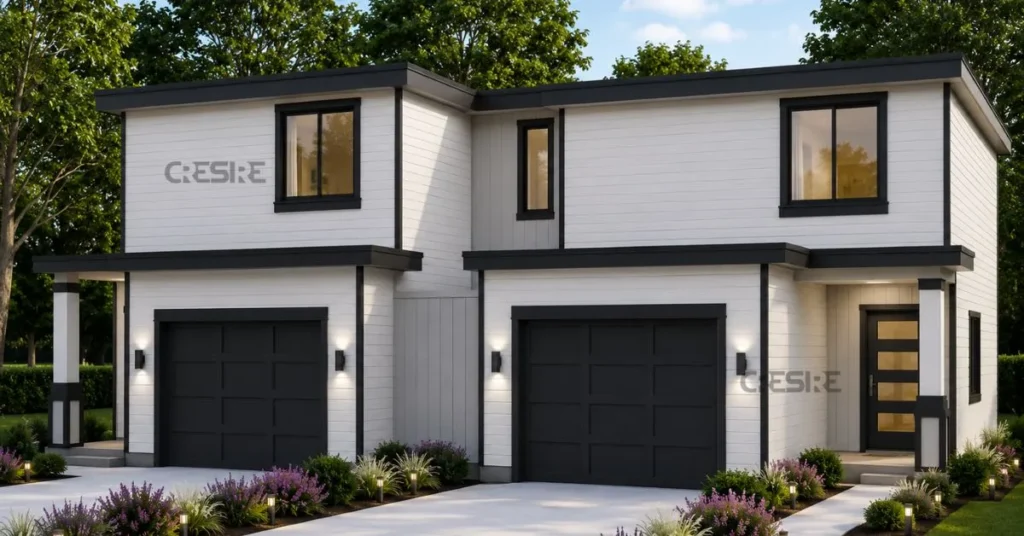
Architectural drawings communicate dimensions, materials and design intent—but clients don’t always see the finished building from a plan or elevation.
Exterior rendering bridges that gap.
We transform architectural models and drawings into photorealistic visuals by combining accurate geometry with materials, textures, lighting, landscaping and environmental context.
The objective isn’t simply to make the building look attractive. It is to create a visual representation that helps architects, developers, builders and stakeholders understand how the proposed building is expected to look in its surroundings.
This makes exterior visualization useful across design review, client presentations, approvals, marketing and pre-construction communication.
Why Exterior Visualization Matters?
See the Building Before It Exists
Exterior rendering helps project teams evaluate design decisions before they become expensive physical changes.
Material Selection
Compare façade finishes, roofing, glazing, colors and other exterior materials before finalizing the design.
Design Review
Give clients and stakeholders a realistic view of the proposed building instead of asking them to interpret technical drawings.
What Goes Into A Photorealistic Exterior Render?
We use architectural models and drawings to accurately establish building geometry, façade elements, openings, roof structures, and exterior details. This provides a reliable foundation for visualization, ensuring the final exterior representation maintains the project’s intended design, proportions, materials, finishes, and architectural character while supporting realistic presentation outcomes.

Brick, stone, concrete, wood, metal, glass, roofing, and other finishes are carefully applied based on project specifications or reference imagery. Each material is selected and detailed to reflect the intended design, texture, color, and overall appearance. This helps create accurate and visually consistent architectural models and exterior visualizations that align with the project’s design requirements and presentation goals.

Natural daylight, realistic shadows, sun position, and artificial lighting can be carefully developed to create visually accurate and presentation-ready architectural scenes. These elements help establish the right mood, highlight key design features, improve depth and realism, and represent how a building may appear under different lighting conditions throughout the day. Proper lighting also enhances exterior materials, textures, landscaping, and architectural details for compelling presentations.

Our exterior 3D visualization services can incorporate detailed landscaping and site context, including trees, planting, hardscape, roads, parking areas, fencing, pathways, and surrounding site elements. These features help create a realistic representation of the complete project environment, providing better context for design presentations, planning, marketing, client approvals, and architectural decision-making. Each element can be developed according to project requirements, site conditions, reference images, and overall design intent.

Camera viewpoints are carefully selected to present the architecture in the clearest and most meaningful way. Rather than simply showing another angle, each view focuses on key design elements, spatial relationships, materials, proportions, and the overall character of the building. Thoughtful composition helps viewers understand the project, appreciate its architectural features, and visualize how the building fits within its surrounding context, creating more effective and purposeful exterior architectural visualizations.

Final images can be professionally refined to enhance visual quality, lighting, colors, contrast, shadows, and overall presentation. These adjustments ensure the visuals are suitable for client presentations, architectural portfolios, marketing campaigns, websites, social media, brochures, and print materials. High-quality post-production helps create polished, realistic, and visually engaging images that effectively communicate the design intent across digital and print platforms.

Exterior Rendering Across Project Types
Residential Exterior Rendering
Useful for: design presentations, client approvals, planning discussions and property marketing.
Commercial Buildings
Useful for: design review, investor presentations, leasing, marketing and pre-construction communication.
Hospitality Projects
Useful for: branding, investor presentations, pre-opening marketing and stakeholder approvals.
Real Estate Developments
Ideal for pre-sales, brochures, websites, social media, property marketing, presentations, and promotional campaigns.
Renovation & Façade Improvements
Proposed façade materials, colors, landscaping and architectural changes can be visualized before renovation work begins.
Testimonials
Trusted by Construction Leaders Worldwide
Very Responsive! A new client and project were made possible by one of your models that I shared with one of my clients’ coworkers. Undoubtedly, the best BIM Consulting and Services provider.
Confidential
Tim-Surveyor, USA
Cresire’s team is very responsive and easy to work with. Quick turnaround time. Would definitely partner with them again.
Peter
Guam, USA
Devashish and Cresire did a great job for me generating electrical drawings in .dwg format from my rough drawings and other materials. Fast, efficient and good value.
Paul Scott
Engineer, Australia
From Architectural Model To Final Exterior Render
We review the architectural model, drawings, reference images and project brief to understand the intended design and required visual outcome.
The supplied model or geometry is prepared for visualization, including geometry checks, camera setup and surrounding context.
Façade materials, glazing, roofing, landscape elements and other finishes are applied according to project specifications and references.
Natural lighting, shadows, sky, landscaping and environmental elements are developed to establish the required atmosphere.
Draft views are prepared for client review so that camera angles, materials and visual direction can be confirmed before final rendering.
High-resolution exterior visuals are produced and prepared for the intended presentation, marketing or project use.
What Project Information Do We Need To Start?
We Can Work From:
3D Models
_____________________________________
- Revit
- 3ds Max
- SketchUp
- FBX
- Other compatible 3D formats
2D Drawings
_____________________________________
- DWG
- Architectural plans
- Elevations
- Sections
Design References
_____________________________________
- Material specifications
- Product images
- Reference photographs
- Mood boards
- Landscape plans
Project Information
_____________________________________
- Required views
- Preferred camera angles
- Day/night requirements
- Output resolution
- Intended use
Don't Have a 3D Model?
That’s fine.
If sufficient architectural drawings are available, the required 3D geometry can be developed as part of the visualization workflow.
What You Receive
- High-resolution still renders
- 4K renders where required
- Multiple exterior viewpoints
- Daytime views
- Evening/night views
- Aerial/isometric views

- Material variations
- Façade options
- Color alternatives
- Landscaping alternatives
- Lighting variations

- Website-ready images
- Social media visuals
- Presentation graphics
- Brochure-ready imagery

- Exterior walkthroughs
- Camera animations
- Short promotional sequences
Don’t promise “4K” or walkthroughs universally if they aren’t included in every package. Phrase them as available based on project scope.
Where Exterior Rendering Influences Project Decisions
Before Design Approval
Before Client Presentation
Before Planning / Stakeholder Review
Before Construction
Before Marketing
During Design Changes
Case Studies
Recent 3D Realistic Visualization projects
24-HOUR QUOTE RESPONSE
Start Your 3D Exterior Rendering Projects Today
Partner with CRESIRE BIM consultants to improve coordination, streamline information management, reduce project risks, and deliver projects with confidence.
enquiry@cresireconsulting.com
NDA available
Software & Technology
Visualization & Modeling
Autodesk Revit
Architectural model preparation and BIM-based visualization workflows.
Autodesk 3ds Max
Exterior modeling, scene development and rendering.
AutoCAD
Working with 2D architectural drawings where required.
FAQ
Frequently asked questions
Can you create exterior renders from Revit models?
Yes. Revit models can be used as the starting point for exterior visualization, subject to model condition and project requirements.
Can you create exterior renders from CAD drawings?
Yes. We can work from architectural DWG/PDF drawings where sufficient information is available. Additional 3D modeling may be required depending on the project.
Can you render an existing building renovation?
Yes. Exterior visualization can be developed for façade renovations, extensions, refurbishment and other existing-building projects.
How many exterior views should I request?
It depends on the project. Typical views may include front, rear, side, aerial/isometric and key approach views. We can recommend viewpoints based on the building and intended use.
Can you show different materials or façade options?
Yes. Multiple material, color and façade options can be developed as separate visual alternatives.
Can you create day and night exterior renders?
Yes, where required. Different lighting conditions can be developed to communicate the building’s appearance at different times.
Can you include landscaping?
Yes. Landscaping, hardscape, roads, parking, planting and surrounding context can be incorporated based on available project information.
How long does an exterior render take?
The timeline depends on model readiness, complexity, number of views, environmental detail and revision requirements.
What files do you need for a quote?
Typically, we need the available 3D model or architectural drawings, project brief, required views, material references and expected deliverables.
How much does exterior rendering cost?
Pricing depends on the building complexity, source model, number of views, level of detail, landscaping, revisions and output requirements. A project-specific quote is more accurate than a standard rate.