Table of Contents
4D BIM has quietly become one of the most useful tools in modern construction planning, yet many newcomers in the AEC industry still aren’t sure what it really does or why it matters. If schedules feel dense, coordination meetings feel chaotic, or site teams often face last-minute changes, understanding the benefits of 4D BIM can transform how you plan and deliver projects.
In simple terms, 4D adds the dimension of time to a 3D BIM model. You take your building model, connect each component to its planned construction activity, and then generate a visual timeline that shows how the project will actually be built.
Instead of reading long Gantt charts, you can watch the building take shape step by step. For beginners, this alone often feels like a breakthrough. Once teams start using 4D BIM scheduling and simulation, the benefits become visible very quickly.
For teams that want more predictability and better planning outcomes, professional 4D BIM Scheduling Services like the ones offered by Cresire can make the process more reliable and easier to manage.
HERE ARE THE TOP BENEFITS OF 4D BIM SCHEDULING AND SIMULATION FOR AEC
1. Better Planning and Clearer Forecasting
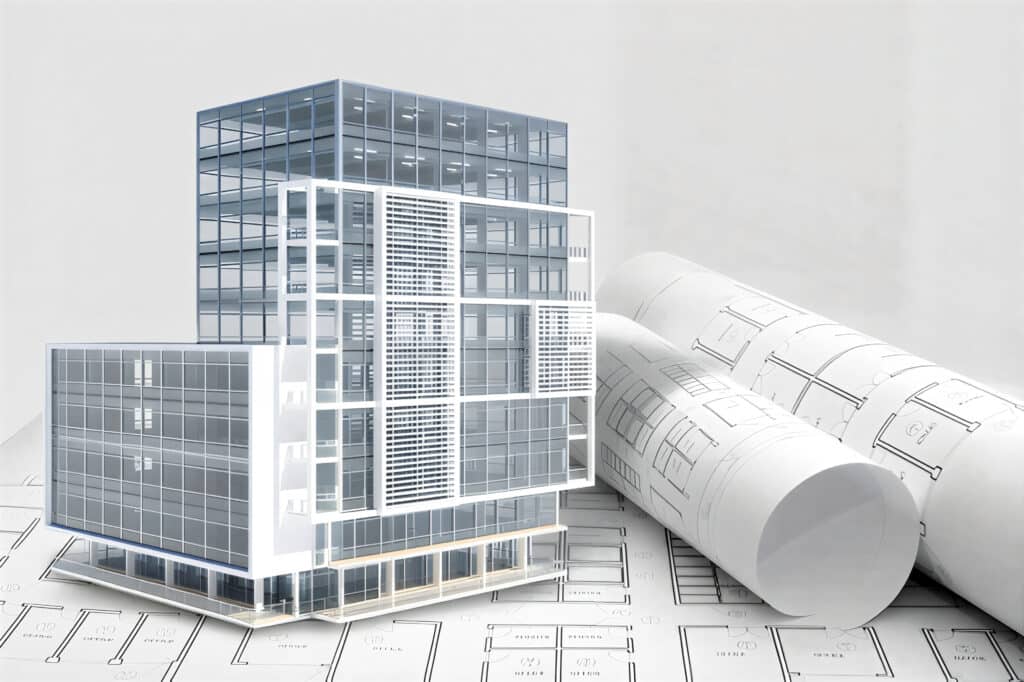
Every project begins with a schedule, but traditional charts and spreadsheets rarely tell the full story. One of the major benefits of 4D BIM is the way it simplifies planning by connecting each task to actual model elements.
Instead of guessing whether a timeline makes sense, project managers can link tasks directly to actual building elements and visually check if the sequence is realistic. You can test different strategies, compare scenarios, or even experiment with faster or safer alternatives- long before work begins. It removes guesswork and brings clarity to the planning phase, especially for teams who struggle to align the schedule with real-world construction logic.
For new AEC professionals, this is often the biggest early advantage of using 4D BIM scheduling because it turns abstract timelines into meaningful, visual information.
2. Stronger Trade Coordination and Fewer On-Site Conflicts
Most site delays come from trade clashes and misaligned sequences. A task might look fine on paper, but creates issues when equipment access, space constraints or safety zones are considered.
One of the most practical benefits of 4D BIM is that it gives every stakeholder a shared visual timeline. Architects, engineers, contractors, and subcontractors can all see how and when activities will unfold.
Teams can identify and resolve:
- Overlapping activities
- Access route conflicts
- Equipment interference
- Sequencing risks
- Space management limits
It also reduces rework, which is one of the biggest sources of cost overruns in construction.
3. Stronger Safety Planning and Risk Reduction
Safety teams often rely on written instructions or static drawings that don’t always reflect what’s happening on site. With 4D BIM simulation, they can watch the visual sequence of construction and identify risks before work begins.
Teams can check:
- When the site will be congested\
- How crane paths interact with scaffolding
- Whether temporary structures clash with planned installations
- Access points and evacuation routes during different phases
This gives safety teams time to prepare proper mitigation plans. Workers also get clearer guidance because they can see the stages visually, not just read text. Safer planning is one of the most important advantages of 4D BIM, especially for complex or fast-track projects.
4. More Accurate Progress Tracking and More Honest Reporting
Once a project starts, keeping track of progress becomes one of the most challenging tasks. Schedules evolve, delays crop up, and traditional methods don’t always reflect the actual situation on site. 4D BIM helps solve this by allowing teams to update the model with real-time progress.
Teams can see:
- What should have been completed
- What is actually complete
- How delays affect upcoming activities
- How to plan recovery strategies
If delays occur due to weather, material shortages, or design changes, adjustments can be tested directly within the 4D model. This allows teams to understand the impact of each delay, plan catch-up strategies, or adjust future activities without causing chaos on site.
5. Clearer Communication With Clients and Stakeholders
Clients often struggle to interpret construction schedules or technical drawings, which can lead to confusion or slow decision-making. 4D BIM makes the entire process more accessible. Instead of explaining timelines verbally or through static charts, teams can show a simple visual animation of how the construction will progress.
This visual clarity helps:
- Speed up approvals
- Strengthen client confidence
- Reduce communication gaps
- Improve understanding of milestones and phasing
This is one of the strongest communication-related benefits of 4D BIM, especially during tenders, presentations, or project review meetings.
How Different Stakeholders Benefit From 4D BIM

Although 4D BIM supports the entire project team, each stakeholder group gains something slightly different from it:
- Architects use it to confirm that design decisions align with buildability.
- Engineers rely on it to understand how structural and MEP elements will be installed in sequence.
- Contractors appreciate having a clear, conflict-free workflow.
- Project managers depend on accurate forecasting and real-time progress tracking.
- Clients and owners enjoy the transparency and the ability to visualise the entire construction journey.
By giving everyone a shared reference point, 4D BIM creates smoother collaboration and more predictable project outcomes.
Final Thoughts
4D BIM is quickly becoming an essential part of modern construction planning. The benefits of 4D BIM clarity, coordination, safety, transparency, and better decision-making make it a vital skill for new AEC professionals. It turns raw schedules into meaningful visual sequences, improves communication, and supports safer, faster, and more predictable outcomes.
As BIM adoption continues to grow globally, understanding 4D BIM simulation will become a core competency for future AEC professionals.

Devashish is Founder/Director at Cresire where he leads BIM services. He holds a bachelor’s degree in Civil Engineering from the University of Sheffield and an MSc in Construction Project Management from The University of the West of England. His vision behind CRESIRE is to provide BIM services, adhering to best practices and procedures, to global customers, helping customers to save extensive production costs and overruns.
Our Recent Projects on BIM Services

Related Posts