Mega-structures are no longer built on 2D drawings, traditional construction management services, techniques, and assumptions. As project sizes grow and timelines become tighter, traditional workflows struggle with coordination, cost control, and risk management.
This is where Building Information Modeling steps in. Today, structures built using BIM demonstrate how digital planning, advanced coordination, and data-rich execution can shape some of the world’s most complex construction projects. This blog highlights the top BIM projects in the world and the practical lessons AEC firms can apply right now.
Why mega-structures demand BIM, not traditional workflows
Large-scale projects involve thousands of components, multiple consultants, tight schedules, and strict compliance requirements. BIM allows teams to work on a shared model, identify design issues early, plan construction realistically, and control costs before problems reach the site. For mega-projects, BIM is not an upgrade. It is the foundation for predictability and accountability.
Top 10 Mega-Structures Built Using BIM
1. Denver International Airport Expansion (USA)
BIM was used to manage complex phasing while keeping the airport operational. Coordinated models helped reduce clashes between MEP, structural, and architectural systems. The key takeaway is how BIM supports live environments without disrupting daily operations.
2. One World Trade Center (USA)
This project relied on BIM for structural coordination, safety planning, and regulatory compliance. BIM-enabled teams to manage strict security requirements while maintaining design accuracy. It shows how BIM supports high-risk, high-visibility projects.
3. Shanghai Tower (China)
One of the world’s tallest structures utilized BIM for wind analysis, structural optimization, and sustainability planning. BIM helped reduce material use while improving performance. The lesson is clear. BIM supports smarter, not heavier, construction.
4. Marina Bay Sands (Singapore)
With its complex geometry and iconic sky park, BIM played a critical role in design coordination and constructability checks. This project proves that bold architecture needs precise digital planning to become buildable.
5. Crossrail Project (UK)
Crossrail utilized BIM as a common data environment for all contractors and public agencies. Asset data created during construction now supports long-term operations. This highlights BIM’s value beyond handover.
6. Sydney Opera House Renovation (Australia)
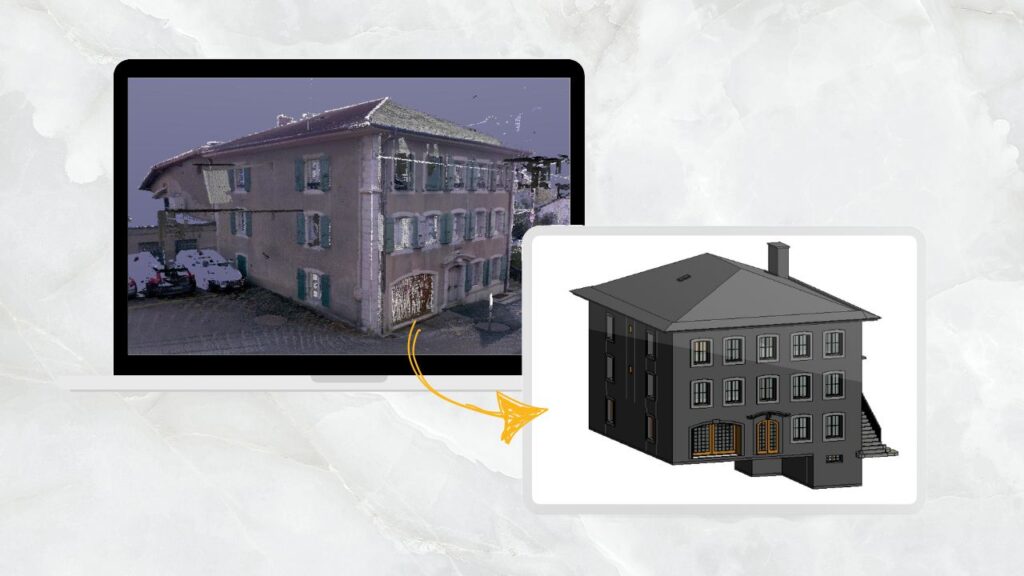
BIM and scan-to-BIM were used to document and renovate a complex heritage structure. Accurate models helped teams plan upgrades without damaging the original design. BIM is just as powerful for renovation as it is for new builds.
7. HS2 High Speed Rail (UK)
HS2 uses BIM for alignment planning, risk analysis, and cost forecasting across long corridors. Early digital coordination reduced uncertainties that typically affect large infrastructure projects.
8. La Sagrada Família (Spain)
This centuries-old project adopted parametric BIM to interpret original design intent and guide modern construction. BIM here acts as a bridge between historical vision and modern execution.
9. Lusail Stadium (Qatar)
Built under strict deadlines, BIM supported prefabrication, scheduling, and coordination. It demonstrates how BIM helps deliver large venues on time without compromising quality.
10. Burj Khalifa (UAE)
BIM was essential for vertical coordination, logistics planning, and construction sequencing. For extreme-height projects, BIM is critical to safety, accuracy, and speed.
Key Lessons
Start BIM early, not midway
Most coordination issues begin at the design stage. Using BIM from concept planning helps detect clashes, design gaps, and scope risks before they reach the site.
Use BIM as a coordination tool, not just a 3D model
The real value of BIM comes from a shared working model. When all stakeholders work on the same data, RFIs drop, decisions become faster, and site confusion reduces.
Link BIM with planning and cost control
Connecting BIM models with schedules and quantities improves visibility into timelines and budgets. This helps teams plan realistically and reduce last-minute changes.
Reduce rework before construction begins
Clash detection and constructability checks save time and cost by resolving conflicts digitally rather than on-site.
Use BIM data for long-term asset value
Information created during design and construction supports facility management and future upgrades, adding value well beyond project handover.
How BIM Adoption Helps AEC Firms Stay Competitive
AEC firms using BIM deliver with fewer delays, reduced rework, and better cost control. Clients increasingly expect BIM-driven workflows for transparency and confidence. Firms that invest now position themselves for complex and high-value projects. At Cresire, BIM is integrated with planning, coordination, and execution, not treated as a standalone service.
The world’s most successful structures built using BIM prove that digital construction is no longer optional. From airports and railways to skyscrapers and heritage landmarks, BIM delivers clarity where complexity exists.
If your firm is planning large or technically demanding projects, now is the time to move beyond traditional methods. Our BIM Consulting services help AEC firms implement practical, result-driven BIM solutions tailored to real project needs.
Devashish is Founder/Director at Cresire where he leads BIM services. He holds a bachelor’s degree in Civil Engineering from the University of Sheffield and an MSc in Construction Project Management from The University of the West of England. His vision behind CRESIRE is to provide BIM services, adhering to best practices and procedures, to global customers, helping customers to save extensive production costs and overruns.